You’ve booked your ski holiday and you’ve been looking forward to it for months. Day one is brilliant. Then day two arrives and you can barely get out of bed. Your legs are screaming, your back aches, your shoulders feel tight, and you’ve still got five more days to go.
You wouldn’t run a marathon without training for it. Yet most of us head to the slopes after twelve months off and expect our bodies to cope with four to five hours of skiing a day, six days in a row.
In this episode of the Never Too Old to Lift podcast, I explain what ski fitness over 60 really involves: what skiing asks of your body, why squats alone aren’t enough, and how to prepare using seven simple movement patterns.
The short answer: skiing uses your whole body, not just your legs. To prepare, train all seven functional movement patterns (squat, hip hinge, lunge, push, pull, rotation, and gait or carry) at least twice a week, ideally starting 8 to 12 weeks before you go.
New to Strength Training?
Grab my free strength training guide and get started with a clear, simple foundation, no gym experience needed.
Watch: What a day on the slopes really asks of your body (4 minutes)
Watch or listen to the full episode


Why skiing is harder than you think
On a typical ski holiday you go from no skiing at all to several hours a day, with no gradual build-up. There’s no easing in, because you want to make the most of your time on the snow. On top of that, altitude makes you tire more quickly, and the snow gets heavier in the afternoon, just when your legs are already tired.
Every year I see people in clinic after a ski holiday with knee pain, back pain or shoulder problems. Even those who avoid injury often don’t enjoy the week as much as they’d hoped. It doesn’t have to be that way.
A day on the mountain: it's not just your legs
Most people think preparing for skiing means doing some squats a few weeks before they go. Your quads and glutes certainly work hard, but walk through a normal day and you’ll see how much more is involved.
- Putting your boots on and walking in them. Ski boots are heavy and rigid. Your hip flexors work hard just to lift each foot.
- Carrying your skis to the lift. Five to fifteen minutes of sustained work for your shoulders, arms and grip.
- Stairs at the lift station. Often a flight or two, in ski boots, still carrying your skis.
- T-bars and button lifts. They can jerk forward suddenly, and your shoulder has to resist that pull. I’ve seen a number of shoulder injuries from exactly this.
- Getting off a chairlift. You have to stand up and ski away quickly, which takes quad strength, balance and coordination.
- Side-stepping and flat sections. Climbing back up a slope or pushing yourself along with your poles uses a lot of energy, and skating across a flat section works the muscles at the side of your hips.
- Getting up after a fall or a rest. On a slope, in skis, your arms do much of the work.
- The skiing itself. You hold a squat position for long periods while your upper body faces down the slope and your hips and legs turn underneath you. Your core works hard to control that rotation.
- The walk home. Skis on one shoulder, boots in the other hand, at the end of a tiring day.
- Skiing with grandchildren. Carrying their kit as well as yours, lifting them up and down, and skiing bent over to support them.
- The travel. Lifting a heavy suitcase into the car and a bag into the overhead locker, before you’ve even arrived.
Ski fitness over 60: the seven movement patterns to train
I recommend that everyone who strength trains includes all seven functional movement patterns each week. Skiing shows exactly why.
| Movement pattern | Where it shows up on a ski holiday | Example exercises |
|---|---|---|
| Squat | Holding your skiing position; standing up off a chairlift | Sit to stand, box squat, goblet squat |
| Hip hinge | Lifting skis, boots and suitcases off the floor | Bridge, hip thrust, Romanian deadlift |
| Lunge | Shifting your weight from one leg to the other as you turn; stairs in ski boots | Split squat, step-up, reverse lunge |
| Push | Pushing up off the snow after a fall; pushing off the chairlift | Wall or bench press-up, chest press |
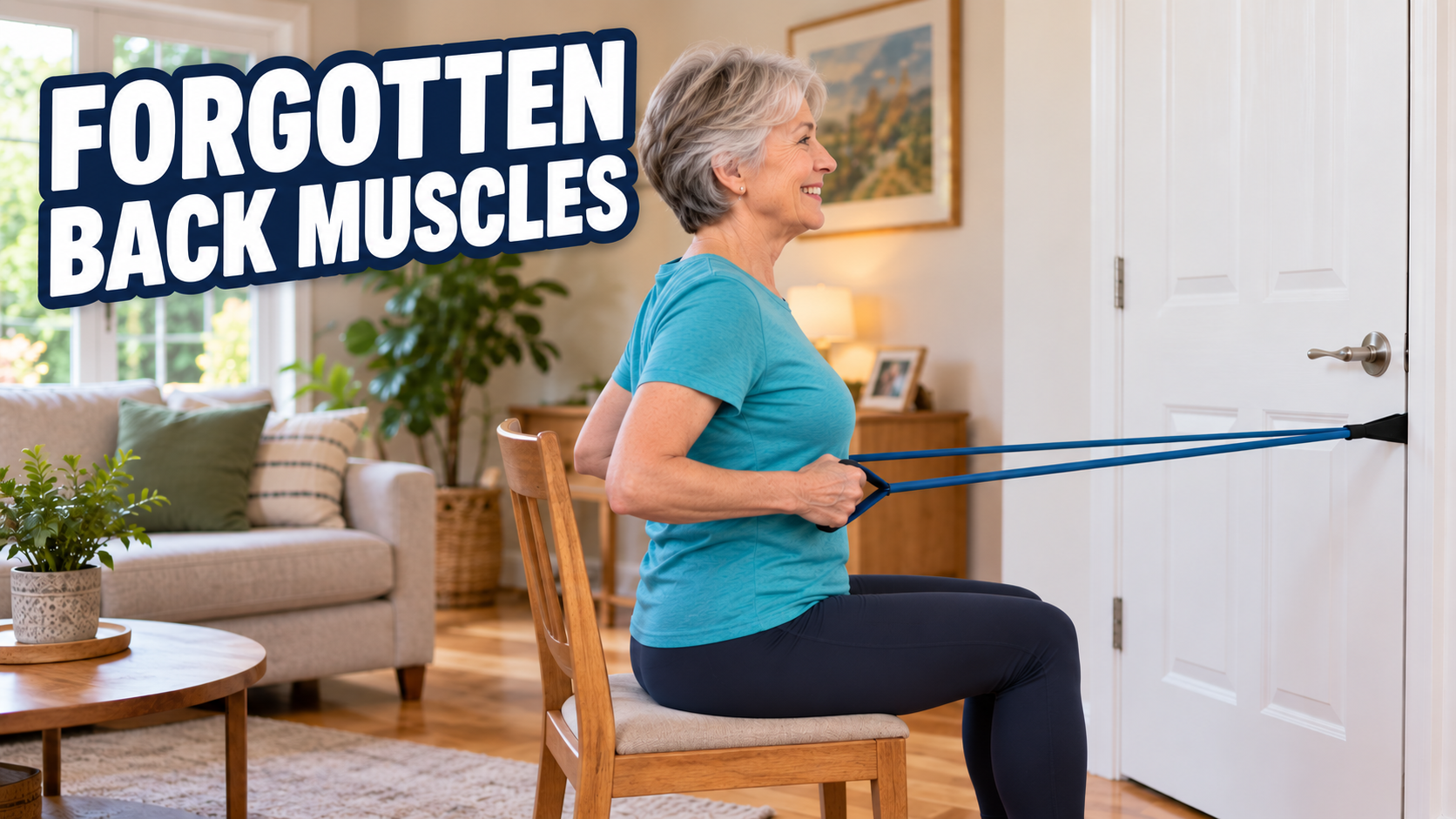
| Pull | Holding on when a T-bar or button lift jerks forward | Resistance band row, seated row |
| Rotation | Controlling your trunk while your legs turn beneath you | Band rotation, Pallof press |
| Gait or carry | Carrying skis and boots to and from the lift | Farmer's carry, suitcase carry |
You don’t need the hardest version of each. The key is finding a variation that suits your current ability. For example, if a deadlift aggravates your back, a bridge or hip thrust may suit you better. I go through the variations for each pattern in Episode 9: the seven functional movements.
How to put this into a weekly plan
A simple way to start:
- Split the seven patterns into two workouts of four exercises each. That leaves one spare slot, which you can use for a pattern you find hardest or an extra exercise such as a plank.
- Do each workout once a week, for example Monday and Thursday, so you train at least twice a week.
- Do three sets of each exercise. If you’re not sure what a set or a rep is, see reps and sets explained.
- Work hard enough to build strength. Aim for somewhere between 5 and 15 repetitions, where the last one is close to the most you could manage, with no more than one or two left in reserve. If you could easily have done several more, add weight or resistance.
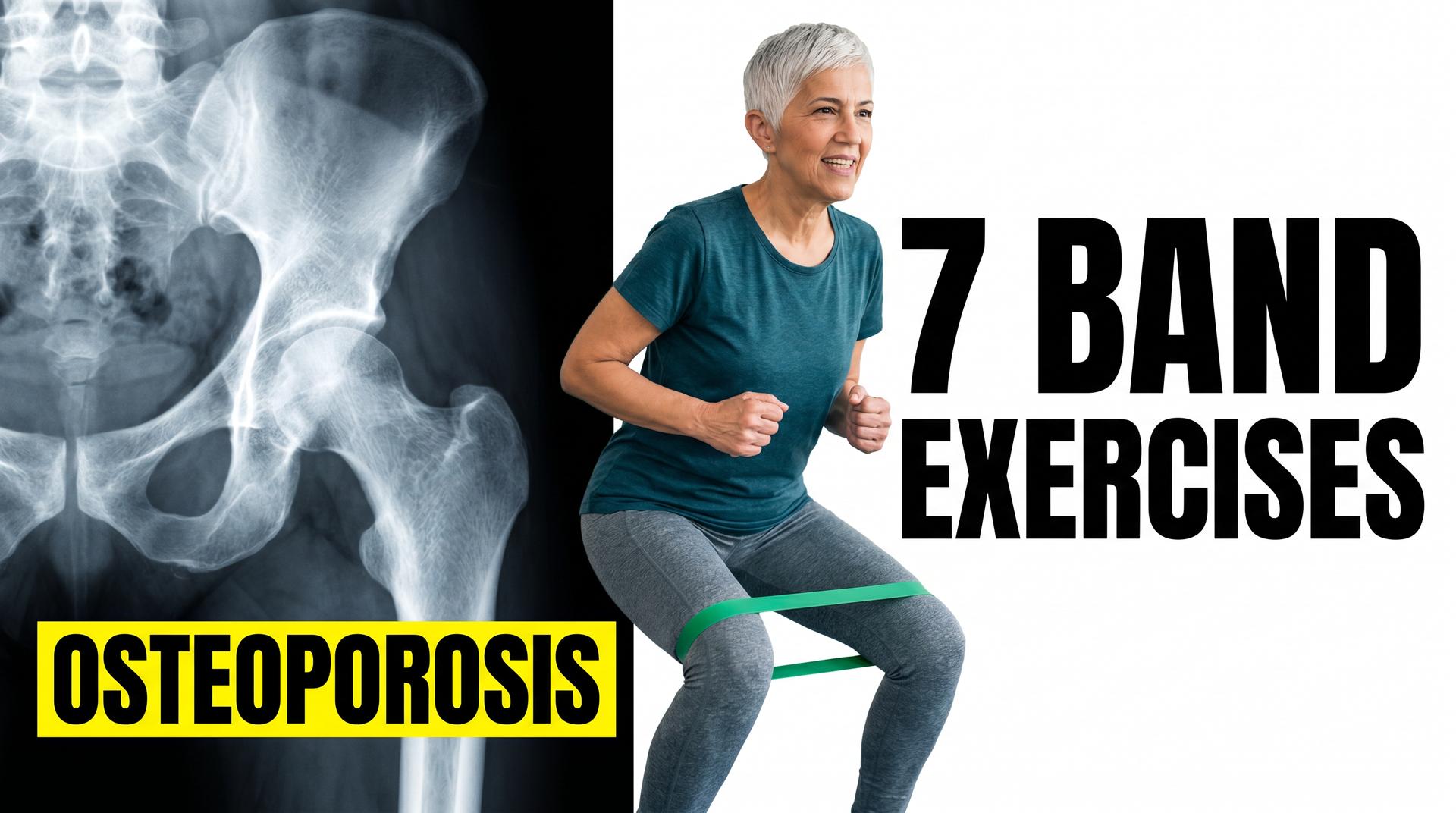
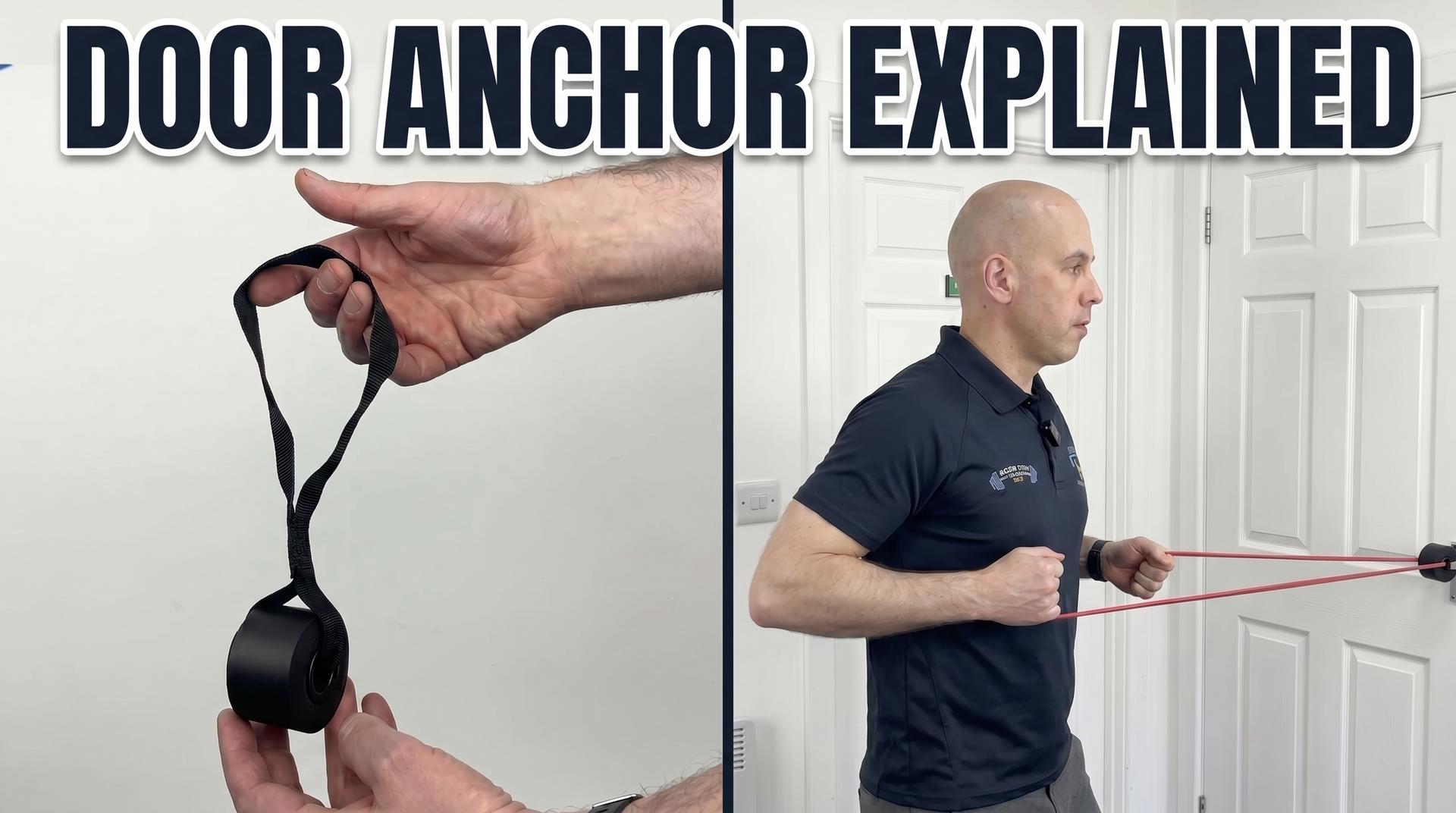
No home equipment? Resistance bands cover most of these patterns. See 10 resistance band exercises for over 60s.
If you’d like a home option where you can set the resistance precisely for pulling and rotation exercises, such as rows and trunk rotations, take a look at my GoTone Pro review. (Rayofi, who make the GoTone Pro, are a Never Too Old to Lift partner.)
When should you start?
Ideally, start 8 to 12 weeks before your holiday. If you’re going sooner, four weeks is still far better than nothing, so don’t put it off.
Once the holiday is over, try to keep going. The UK Chief Medical Officers’ guidelines recommend muscle-strengthening activity on at least two days a week. Keeping it up will make skiing, golf, tennis and playing with the grandchildren feel easier, and next year’s ski holiday could be your best yet.
A note on knee braces
In the episode I also talk about the Ski Mojo, a sprung brace that runs from a harness at your thighs down to the top of your ski boot. The manufacturer says it takes some of your body weight off your legs as you ski. Some people, including some with knee arthritis or pain at the front of the knee, find it lets them ski for longer with less discomfort. It isn’t a replacement for building strength, but it can help the right person keep enjoying skiing.
If you’re near Birmingham, you can buy a Ski Mojo through my physiotherapy clinic for the same price as buying online, and I’ll guide you through the full setup so it fits and works properly for you. To arrange a fitting session, visit the Ski Mojo page on my clinic website or email chris@christileyphysiotherapy.com.
I’m not paid by Ski Mojo and this isn’t an affiliate link. If you buy one through my clinic, the clinic makes the sale.
Frequently asked questions
Train all seven functional movement patterns: squat, hip hinge, lunge, push, pull, rotation, and gait or carry. Skiing uses every one of them, not just your legs.
Ideally 8 to 12 weeks. Even four weeks of strength training is much better than turning up unprepared.
At least twice a week. Splitting the seven movement patterns into two alternating workouts is a simple way to cover them all.
No. Squats help with your skiing position, but a ski day also involves lifting, carrying, pushing, pulling and controlling rotation through your trunk.
Yes. Everything in this episode transfers to snowboarding.
New to Strength Training?
Grab my free strength training guide and get started with a clear, simple foundation, no gym experience needed.
This post is general education, not personal medical advice. If you have a medical condition or pain, speak to your GP or physiotherapist before starting a new programme.
🎙️ Episode 35: Getting ready for your ski holiday? These 7 essential strength exercises/movement patterns will help you stay injury-free and ski with confidence, no matter your age.
In this episode, I break down the exact ski preparation exercises that build the leg strength, balance, and mobility older adults need for safe, enjoyable skiing. Whether you’re over 50, 60, or beyond, these movements target the key muscle groups that prevent common ski injuries on the slopes.
🎿 WHAT YOU’LL LEARN:
✅ Why skiing without training is like running a marathon unprepared
✅ The 7 functional movement patterns that prepare your ENTIRE body (not just legs!)
✅ Specific exercises for carrying ski equipment, using button lifts, and getting up from falls
✅ When to start your ski preparation program (hint: 8-12 weeks is ideal, but 4 weeks still helps!)
✅ How to adapt exercises if you have joint pain or limited mobility
✅ Bonus: Learn about Ski-Mojo technology that reduces knee stress by 33%
⏱️ TIMESTAMPS:
00:00 Introduction: The Ski Holiday Excitement
01:02 Preparing Your Body for Skiing
01:40 Understanding the Demands of Skiing
03:47 A Typical Ski Day: What Your Body Actually Needs to Handle
07:25 The 7 Functional Movement Patterns for Ski Preparation
13:11 Creating a Ski-Ready Workout Program
15:01 The Importance of Strength Training
16:21 When to Start Preparing for Skiing
18:09 Additional Resources and Tools
19:31 Ski-Mojo Brace: Reducing Knee Stress While Skiing
22:55 Conclusion: Full-Body Preparation for Skiing
👴👵 PERFECT FOR:
– Adults 50+ planning a ski holiday
– Older adults worried about ski injuries
– Anyone who hasn’t skied in 12+ months
– People with knee concerns who want to continue skiing
– Beginners to strength training looking for a clear plan
🎯 THE PROBLEM:
Most people show up to ski holidays completely unprepared. They haven’t skied in 12 months, then expect their body to handle 4-5 hours of intense activity for 6 days straight. By day 2, they can barely get out of bed – legs screaming, back aching, shoulders tight. Sound familiar?
💪 THE SOLUTION:
A structured strength training program using the 7 functional movement patterns: Squat, Hip Hinge, Lunge, Push, Pull, Rotation, and Carry. These prepare your ENTIRE body – not just your legs – for the real demands of skiing.
💪 START YOUR SKI PREPARATION TODAY
📚 Free Strength Training Ebook: https://nevertoooldtolift.com/ebook
🎥 Free 1-Hour Masterclass: https://nevertoooldtolift.com/masterclass
💪 Stronger for Life Course: https://nevertoooldtolift.com/course
🎿 SKI-MOJO INFORMATION:
Learn more: https://ski-mojo.co.uk
Book a fitting in Birmingham: chris@christileyphysiotherapy.com
My Physio Clinic: https://christileyphysiotherapy.com
🎙️ EPISODES MENTIONED IN THE EPISODE:
– Episode 9: The 7 Functional Movement Patterns Explained – https://youtu.be/kSy7dH9HZIA
– Episode 2: Strength Training 101: Building Muscle After 50 – https://youtu.be/Ws4fn4CeHbI
 Free Strength Training Masterclass: https://nevertoooldtolift.com/masterclass
 Free Never Too Old to Lift eBook:
https://nevertoooldtolift.com/ebook
 Paperback version of Never Too Old to Lift from Amazon https://geni.us/ntotlbook
 Stronger for Life Course & Community – https://nevertoooldtolift.com/course
 See me for an in-person physiotherapy appointment
https://christileyphysiotherapy.com/
Episode 22: We Were Wrong About Weights (And You Probably Are Too)
 Disclaimer: Information provided is for educational purposes only and should not replace professional medical advice. Always consult with your healthcare provider before starting any new exercise program.


One Response